Dr. U.S. Baluni
+91-7017 5326 38 24/7 Services

Modern Endoscopic Procedures for GI Diagnosis & Treatment

Modern health care has changed with the development of sophisticated forms of endoscopy, enabling patients to have safer, quicker, and more accurate diagnostic and therapeutic interventions. There is a big shift in how GI diseases are managed today with endoscopy, enabling doctors to visualize internal organs with minimal discomfort and without major surgery. From diagnosing common digestive problems to performing complex therapeutic procedures, endoscopy has become an important modality in modern gastrointestinal care. The article covers all that a patient should know about endoscopic procedures, including the benefits, types of Endoscopy and what to expect during treatment.

Why Endoscopy Is Important in GI Care

The digestive system is vulnerable to a variety of disorders, including acid reflux, ulcers, polyps, bleeding, inflammation, strictures, and even early-stage cancers. Endoscopy allows such conditions to be diagnosed at the earliest stage when treatment can be most effective.
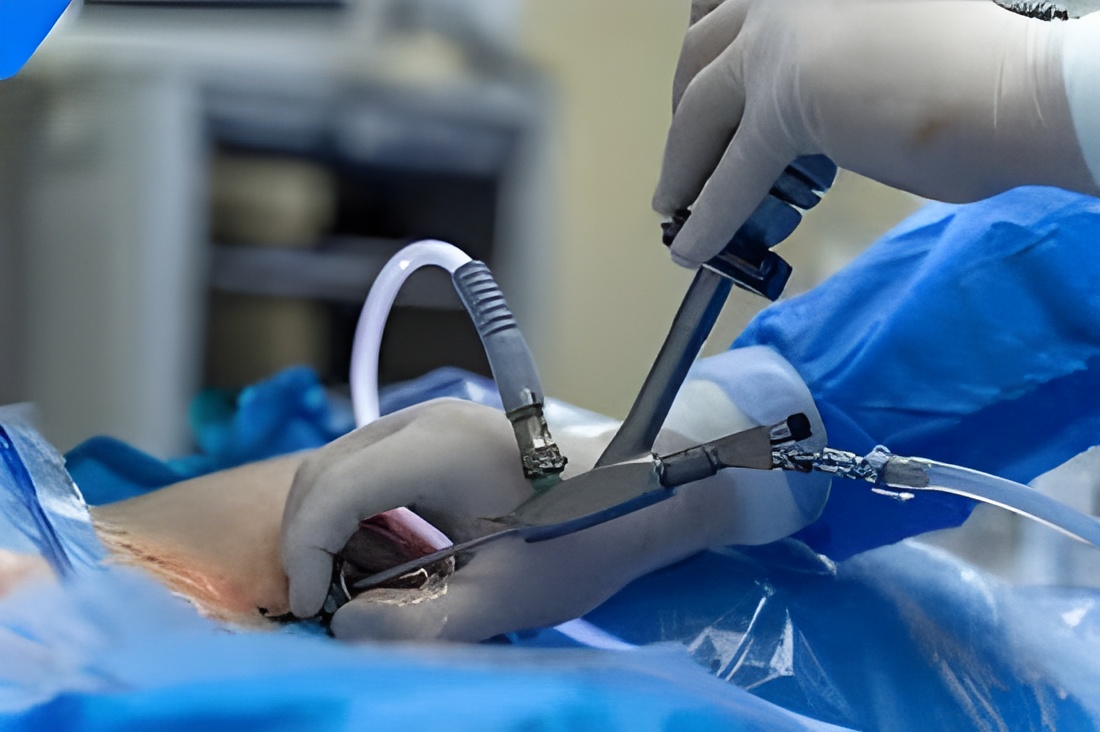
Types of Modern Endoscopic Procedures

  • Upper GI Endoscopy (EGD)
  • Colonoscopy
  • Capsule Endoscopy
  • Endoscopic Ultrasound (EUS)
  • ERCP (Endoscopic Retrograde Cholangiopancreatography)
  • Therapeutic Endoscopy
Laser Hemorrhoidectomy

How an Endoscopic Procedure Works

  • ✔️ Pre-evaluation and medical history review
  • ✔️ Sedation or local anesthesia for comfort
  • ✔️ Insertion of endoscope through mouth or rectum
  • ✔️ Real-time observation on digital monitor
  • ✔️ Biopsy or treatment if necessary
  • ✔️ Recovery within 1–2 hours

Benefits of Modern Endoscopic Procedures

  • ✔️ Minimal pain
  • ✔️ Zero or small cuts
  • ✔️ Lower risk of infection
  • ✔️ Quick diagnosis
  • ✔️ Less expensive than major surgery
  • ✔️ Same-day discharge

Who Should Consider Endoscopic Procedures?

  • Persistent acidity or heartburn
  • Unexplained abdominal pain
  • Difficulty swallowing
  • Vomiting or GI bleeding